

US keep targeting iran versel in continue iran conflict as few vessels travel through Hormuz.
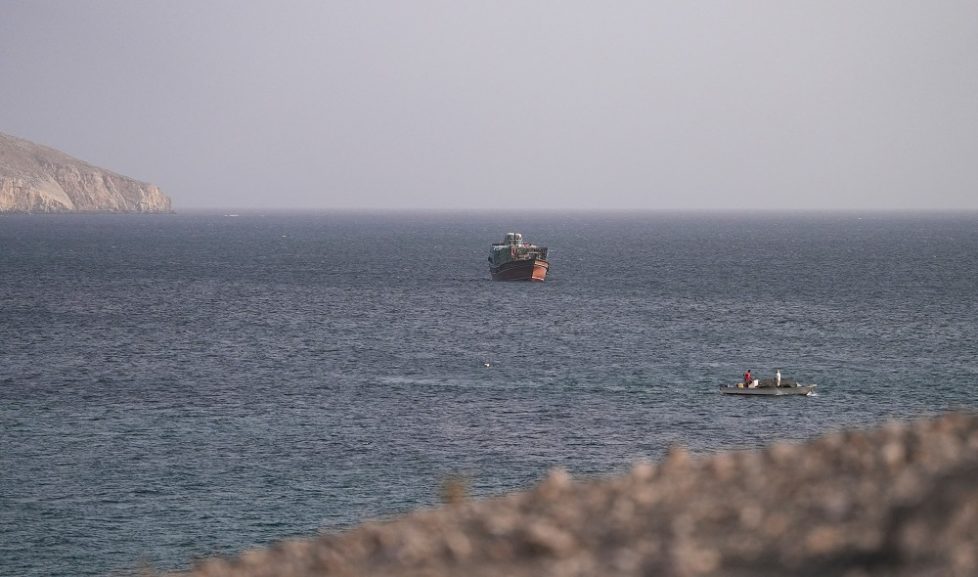
The decline in shipping appears to be more severe than just the drop from 13 to 9 vessels. According to shipping data cited by Reuters, no Very Large Crude Carriers (VLCCs) or LNG tankers were seen transiting the Strait on Wednesday, an indication that operators of the largest and most valuable cargoes are avoiding the area because of the heightened security risks.
The U.S. military has also stepped up enforcement of the renewed blockade. Officials said they:
- Redirected two ships attempting to reach Iranian ports.
- Disabled one empty oil tanker, the Belma, after it continued toward Iran despite repeated warnings.
- Stated the blockade targets vessels entering or leaving Iranian ports, while saying transit to non-Iranian ports remains permitted.
The cargoes that did move through the strait were relatively limited:
ive mostly empty vessels entered the Gulf, including small tankers and dry-bulk ships. Four ships exited carrying cargoes such as LPG, coal, fuel oil, and fertilizer. One tanker carrying about 1 million barrels of Saudi crude reportedly transited with its AIS transponder switched off, a measure sometimes used for security in conflict zones.
The military situation is continuing to escalate. Reports indicate:
The U.S. carried out additional airstrikes on targets in northern Iran. Iran launched retaliatory missile and drone attacks against U.S.-aligned countries in the Gulf. The interim agreement that had temporarily eased tensions has effectively collapsed, leaving negotiations stalled.
Energy markets are reacting cautiously. Oil prices initially rose on fears of supply disruptions through the Strait of Hormuz—normally one of the world's busiest oil transit routes—but later gave back some gains as traders assessed whether exports from other Gulf producers could continue.
Overall, the shipping data suggests that commercial operators are becoming increasingly reluctant to enter the Strait despite it not being completely closed. The absence of large crude and LNG carriers is one of the clearest signs so far that the security situation is affecting global maritime traffic.