

Syria and Lebanon collarboratted to tackle terrorism, says Interior Minister
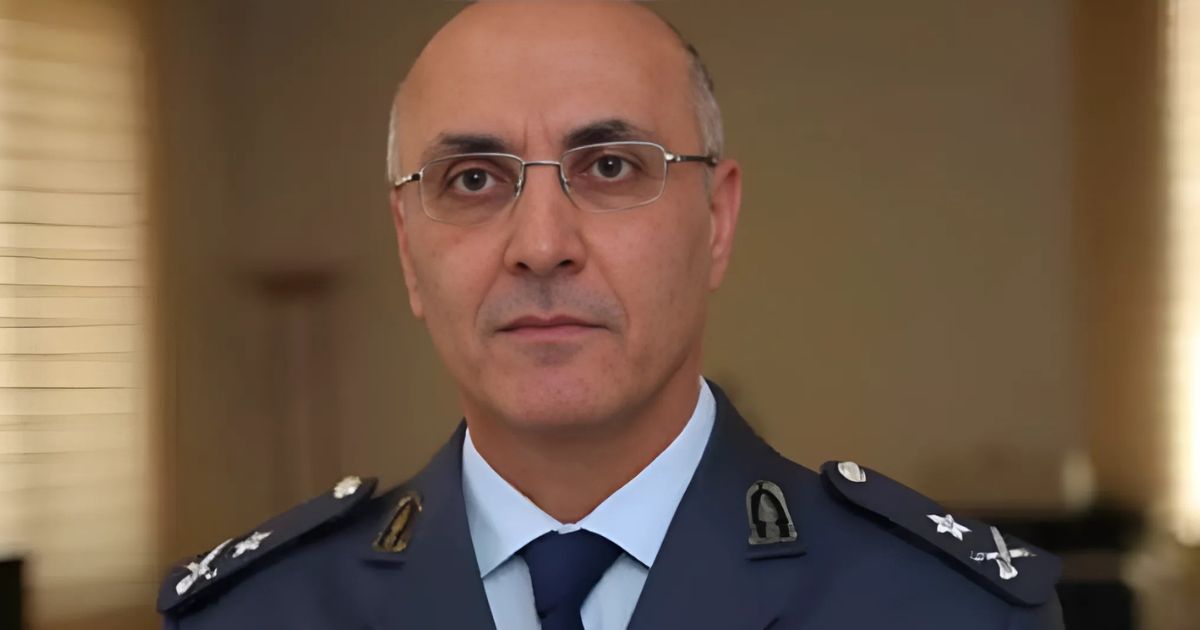 The lebanon national Brig General Al Al Hajjar said the country is proscessing an agreement deal with Israel.
Lebanon and Syria have entered a new phase of security coordination, with Lebanese Interior Minister Retired Brigadier General Ahmad Al Hajjar revealing that the two countries are now in "daily contact" to confront terrorism, strengthen border security, and exchange intelligence. His remarks underscore a significant shift in bilateral relations following the political changes in Syria after the fall of Bashar Al Assad's government. According to Al Hajjar, Lebanese and Syrian security agencies communicate every day to coordinate counterterrorism operations, monitor extremist movements, address drone-related threats, and combat cross-border criminal networks.
He also confirmed that Lebanon is prepared to cooperate with Syrian judicial authorities in pursuing individuals linked to the former Assad regime who fled into Lebanon, provided that extradition requests are backed by the appropriate legal procedures. The minister emphasized that all such actions would remain subject to Lebanese law, stressing that "Lebanon is a state governed by the rule of law" and that every decision taken by the Interior Ministry and security agencies must follow judicial and legal frameworks.
Al Hajjar described current relations between Beirut and Damascus as "very good," noting that he had recently met Syrian Interior Minister Anas Khattab to reinforce mechanisms for security cooperation. The growing collaboration comes as both governments face common challenges, including the threat posed by ISIS remnants, arms smuggling, organized crime, and instability along their shared border. The security dialogue also reflects a broader normalization of Lebanese-Syrian ties, with both countries simultaneously moving to reset trade and economic agreements that had deteriorated over the past decade.
Speaking about Lebanon's negotiations with Israel, Al Hajjar presented a cautious but firm position centered on Lebanese sovereignty. He stated that Israel's complete withdrawal from Lebanese territory remains Beirut's foremost priority and insisted that no lasting agreement can move forward while Israeli forces continue occupying areas in southern Lebanon. He rejected the idea that Lebanon would compromise on its territorial rights, arguing that restoring full sovereignty is the essential first step before addressing wider security arrangements. His comments came as international efforts, led by the United States, seek to advance a framework that would see Israeli forces withdraw from designated areas while the Lebanese Army expands its deployment in the south as part of broader security arrangements.
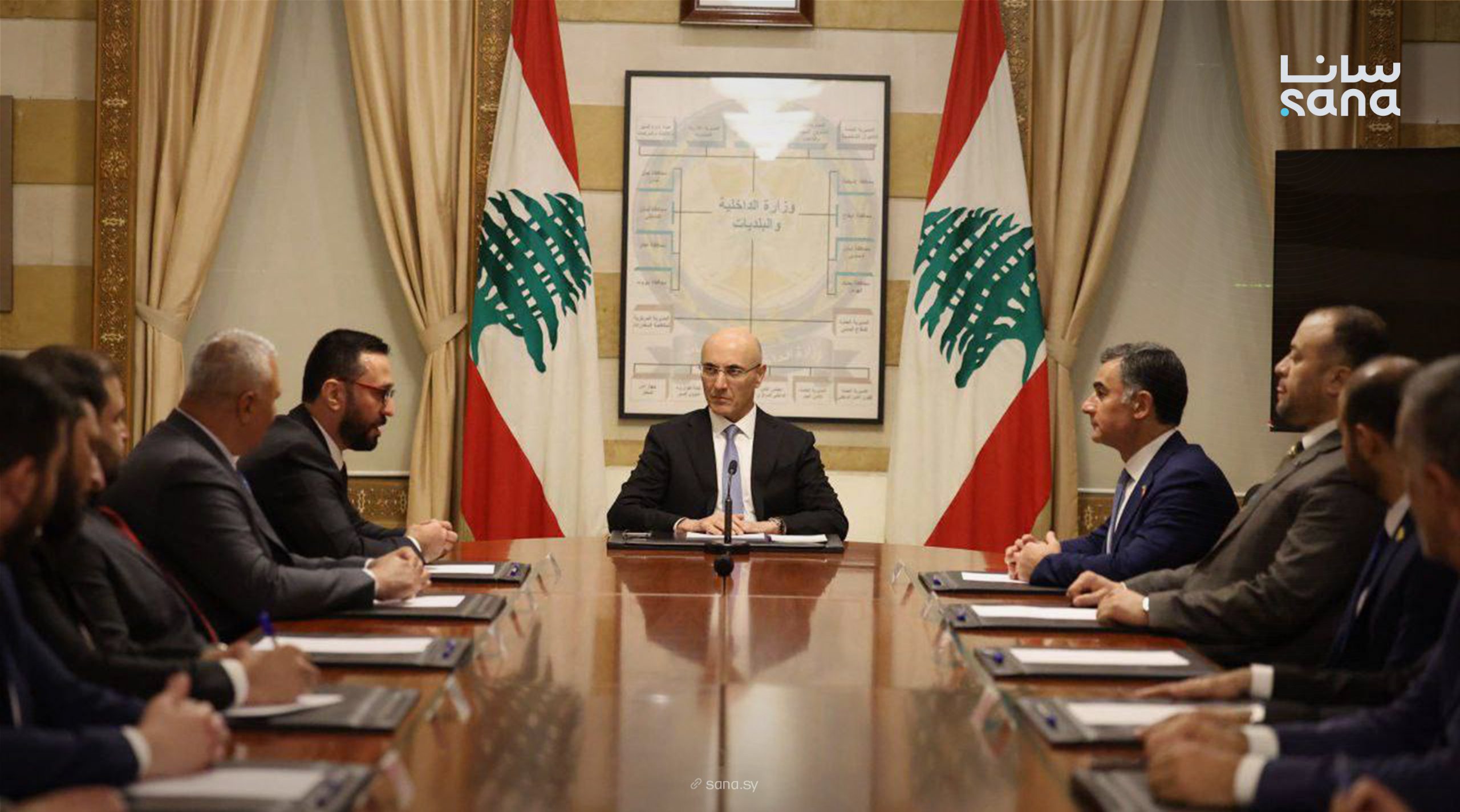
Addressing the sensitive issue of Hezbollah's weapons, Al Hajjar acknowledged that the matter is one of Lebanon's most difficult national challenges. He indicated that discussions over disarmament and state authority have become increasingly complicated because of regional instability following the conflicts that erupted after the October 2023 Hamas attacks and the subsequent escalation between Israel and Hezbollah. Rather than presenting the issue solely as an external demand, he framed it as part of Lebanon's broader effort to strengthen state institutions while maintaining internal stability.
Overall, Al Hajjar's remarks portray Lebanon as pursuing two parallel objectives: expanding practical security cooperation with Syria to combat terrorism and cross-border threats, while maintaining a legally grounded and sovereignty-focused approach toward negotiations with Israel. His statements suggest that Beirut is seeking stronger regional coordination without abandoning its insistence that any future understanding with Israel must begin with a full Israeli withdrawal from Lebanese territory and respect for Lebanon's legal and sovereign rights.