

US launches sixth consecutive night of strikes against Iran
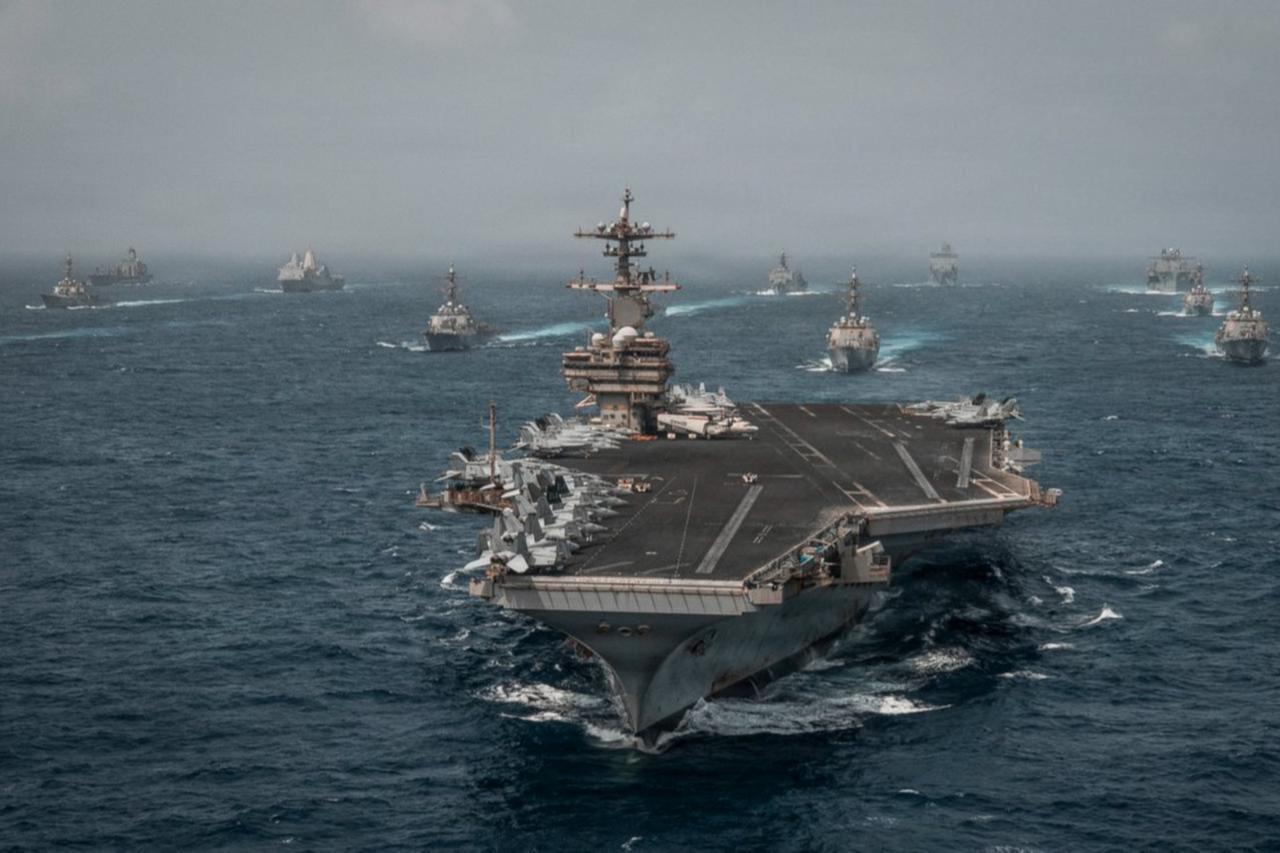
The United States has launched a sixth consecutive night of military strikes against Iran, marking another major escalation in a conflict that has steadily intensified over the past week. According to the U.S. military, the latest wave of attacks was aimed at further degrading Iran's military capabilities by targeting strategic facilities linked to missile operations, logistics, and command infrastructure. The strikes reportedly began in the afternoon U.S. Eastern Time and extended into multiple locations across southern Iran, including areas near Bandar Abbas, Qeshm Island, and Bushehr, where explosions were reported by local media and residents
The renewed bombardment comes as both sides continue exchanging military action despite growing international concern that the conflict could spread across the wider Middle East. Iranian officials have condemned the attacks as violations of national sovereignty and have pledged to continue responding with military force. Tehran has maintained that it will resist what it describes as external aggression while warning that strategic waterways, particularly the Strait of Hormuz, remain a critical national security issue and a potential flashpoint if hostilities continue.
Military analysts say the sustained pace of U.S. operations suggests Washington is pursuing a strategy designed to steadily weaken Iran's military infrastructure rather than relying on a single large-scale assault. Repeated strikes over consecutive nights are believed to be intended to limit Iran's ability to repair damaged facilities, relocate military assets, or reorganize command structures. Such operations also increase pressure on Iran's air defense systems and logistical networks while signaling that the United States is prepared to maintain prolonged military pressure if necessary.
The escalating confrontation has raised fears of broader regional instability. Iran has already demonstrated its willingness to retaliate beyond its borders through missile and drone operations directed at U.S. partners in the region, prompting heightened military readiness among neighboring countries. Shipping routes in the Gulf remain under close observation as concerns grow over potential disruptions to global energy supplies, with the Strait of Hormuz continuing to occupy a central place in the strategic calculations of both sides.
Diplomatic channels have not been completely abandoned, and officials have indicated that communication efforts continue behind the scenes despite the ongoing exchange of strikes. However, each new round of military action increases the risk of miscalculation, making a negotiated de-escalation more difficult. The continuation of six consecutive nights of attacks underscores how rapidly the security situation has deteriorated, leaving the region facing one of its most serious military crises in recent years.